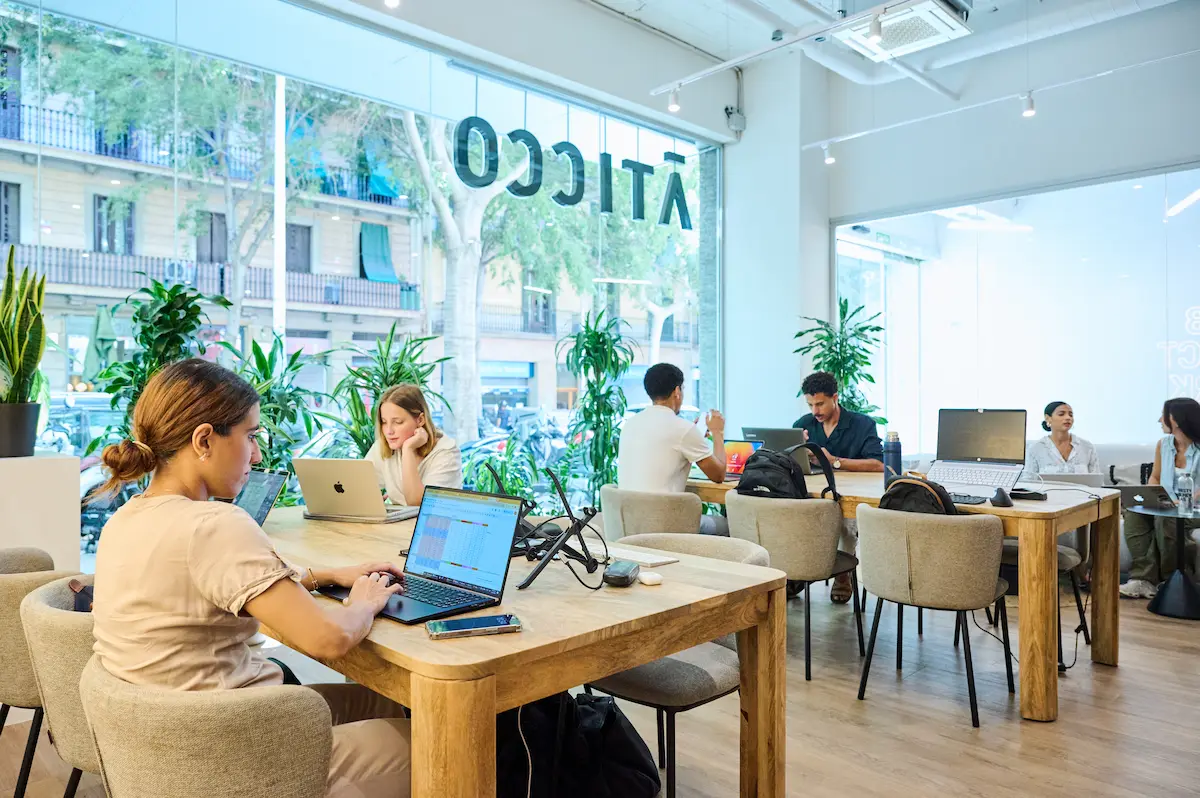
How coworking responds to the demand for personalized work experiences
A little over a decade ago, the concept of remote working began to transform the labor market, creating new opportunities for companies seeking talent beyond their geographical borders.
This led to the emergence of concepts such as coworking, with this business model showing growth rates that made it one of the most profitable niches at the end of the last decade. It was a promise of unstoppable growth that could have continued stable until 2030.
The stagnation of coworking
However, in the years following the pandemic, the sector not only stagnated, but many of the large service providers lost a large number of customers worldwide, with some even filing for bankruptcy after several years of declining revenues.
It was the response to a series of factors that included the mandatory return to the office, increased operating costs, changes in the regulation of this type of business, and even difficulties for customers in implementing decentralized work systems.
Although growth has not come to a complete halt, it is experiencing stagnation that seemed impossible just a few years ago.
Personalization and perceived value
Faced with this complex situation, the main representatives of the sector have begun to develop alternative strategies that not only allow for cost savings, but also ensure that customers remain "loyal, " avoiding having to deal with constant turnover of companies and remote workers.
To that end, we have focused primarily on increasing perceived value through personalization, providing experiences that specifically adhere to the needs of each company. This can range from customized requests based on specific goals to following guidelines aligned with the company's culture.
For example, many of us work directly with the client to create personalized schedules for workers, implement mobility models, applying systems for measuring productivity, reserving conference rooms in advance, including decor with the company's brand image, and even marketing products based on the specific needs of workers.
Additional improvements
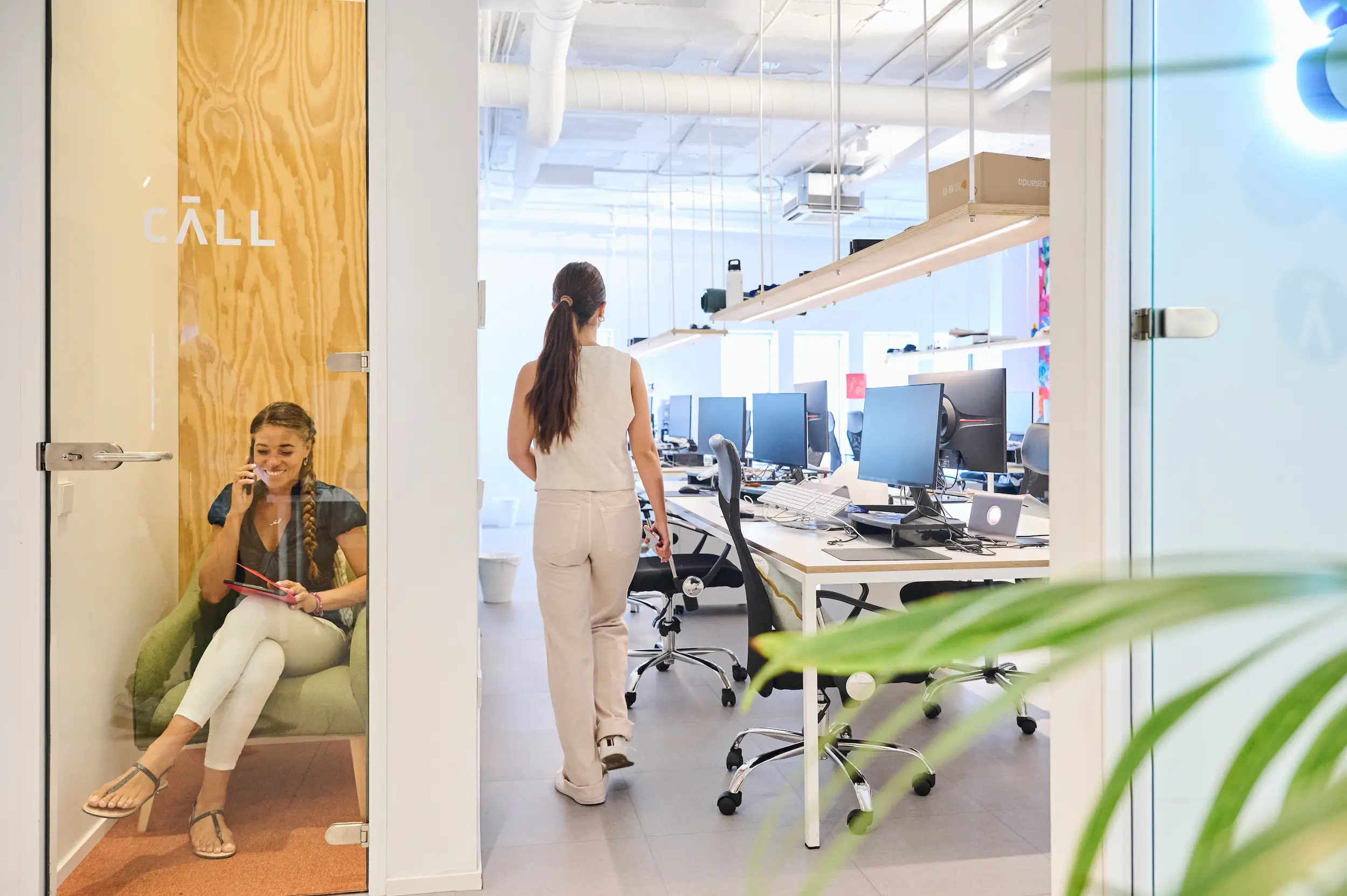
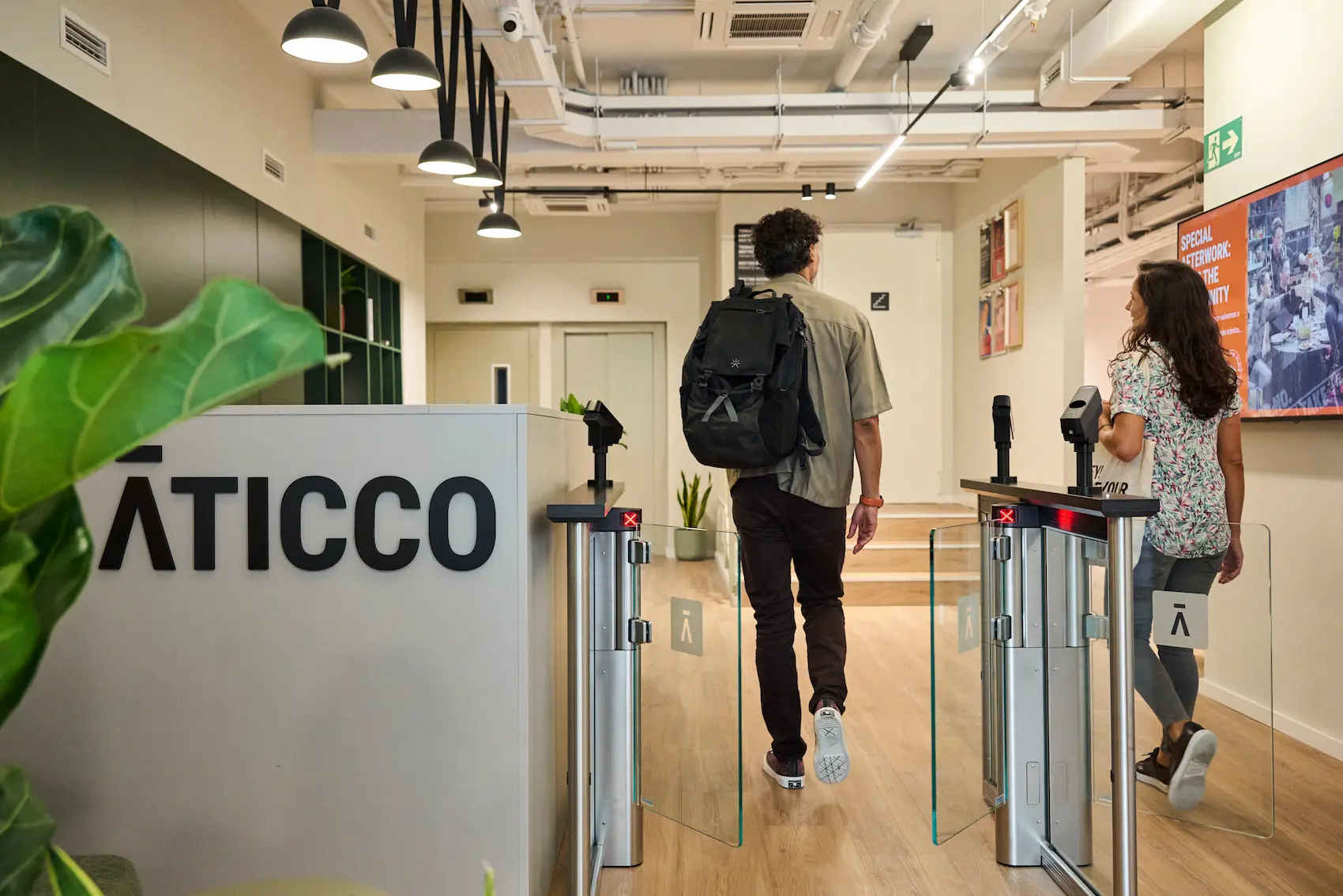
Coworking centers are also investing more and more in general improvements that provide an experience much more in line with the investment made by customers. The main ones include additional security measures such as video surveillance and access control, high-speed internet, private spaces, private parking, among others.
Many of us are adopting much more modern trends and practices, including the use of alternative energies, selecting recycled furniture to reduce our carbon footprint, and even creating much "greener" workspaces to help with emotional problems such as burnout.
The future of the industry
The changes currently sweeping through the coworking world make it difficult to determine exactly where the model is headed. However, this focus on personalization makes it clear that one of the main objectives will be customer retention, meaning that promoting the experience will be much more important than promoting the service.
The creation of much more loyal communities, benefits focused on renting "mobile" spaces, and the expansion of companies into "hyperlocalized" markets will be some of the strategies to ensure our profitability in an uncertain market.
Some of us will also implement tools such as artificial intelligence and machine learning to provide personalized customer service, addressing the concerns of prospects and customers as quickly as possible. Others will even adopt technologies such as augmented reality to facilitate the promotion of spaces.
While coworking will suffer in countries where labor policies mainly favor employers, in nations that focus more on workers' rights, it will continue to increase its profitability throughout the decade.